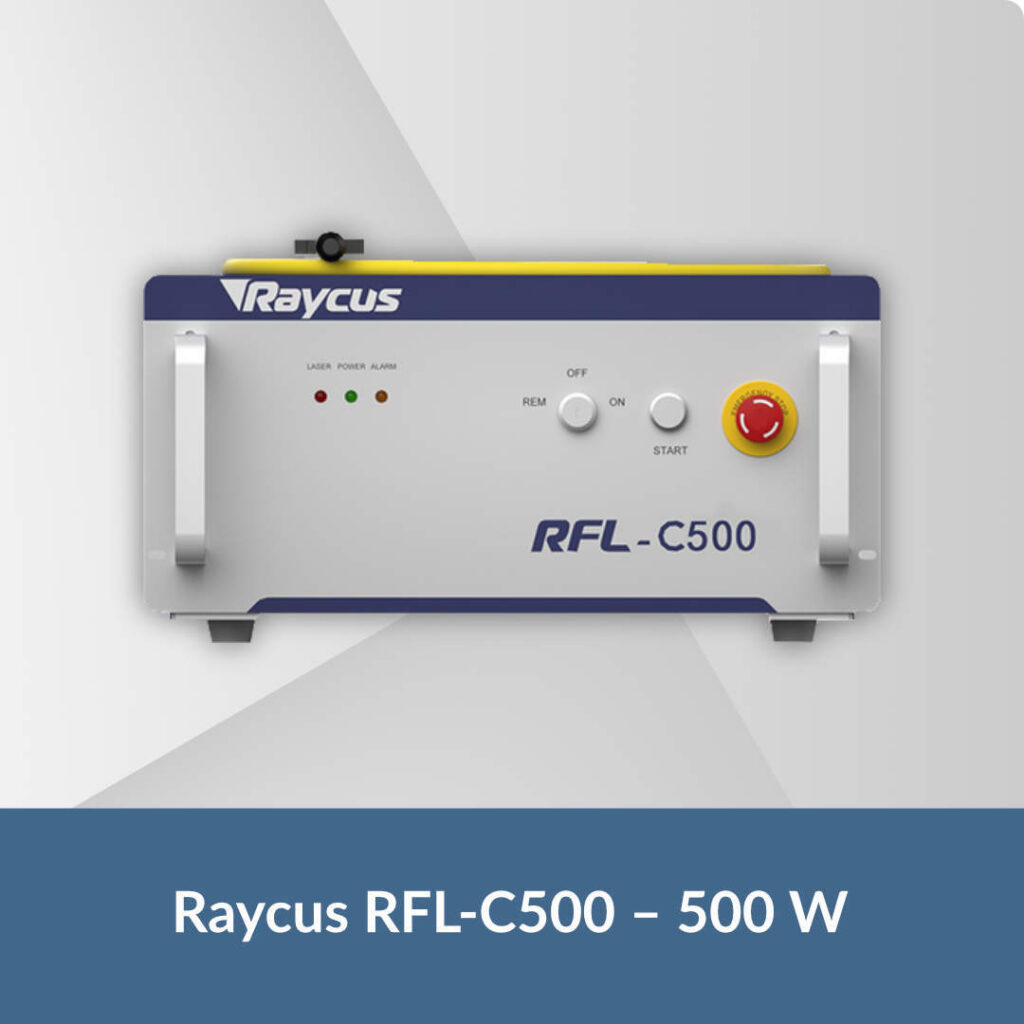
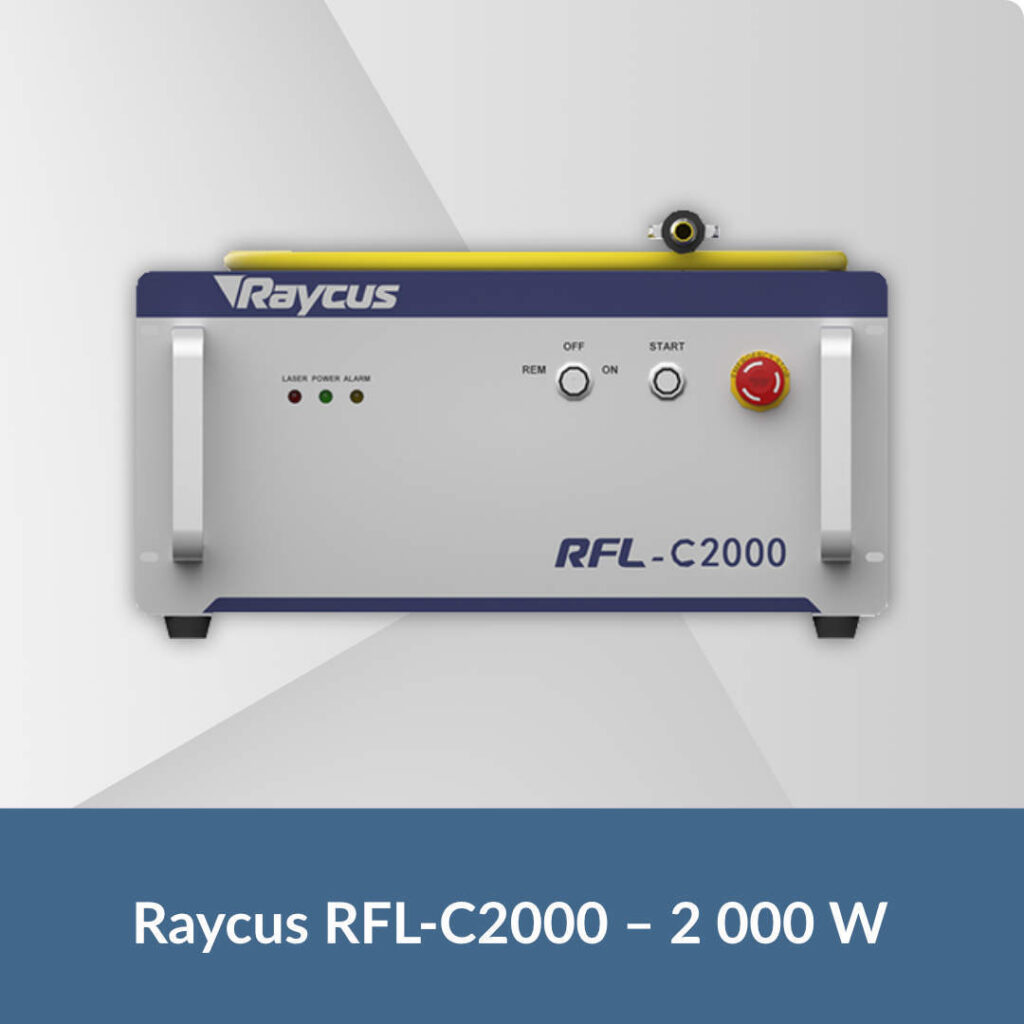
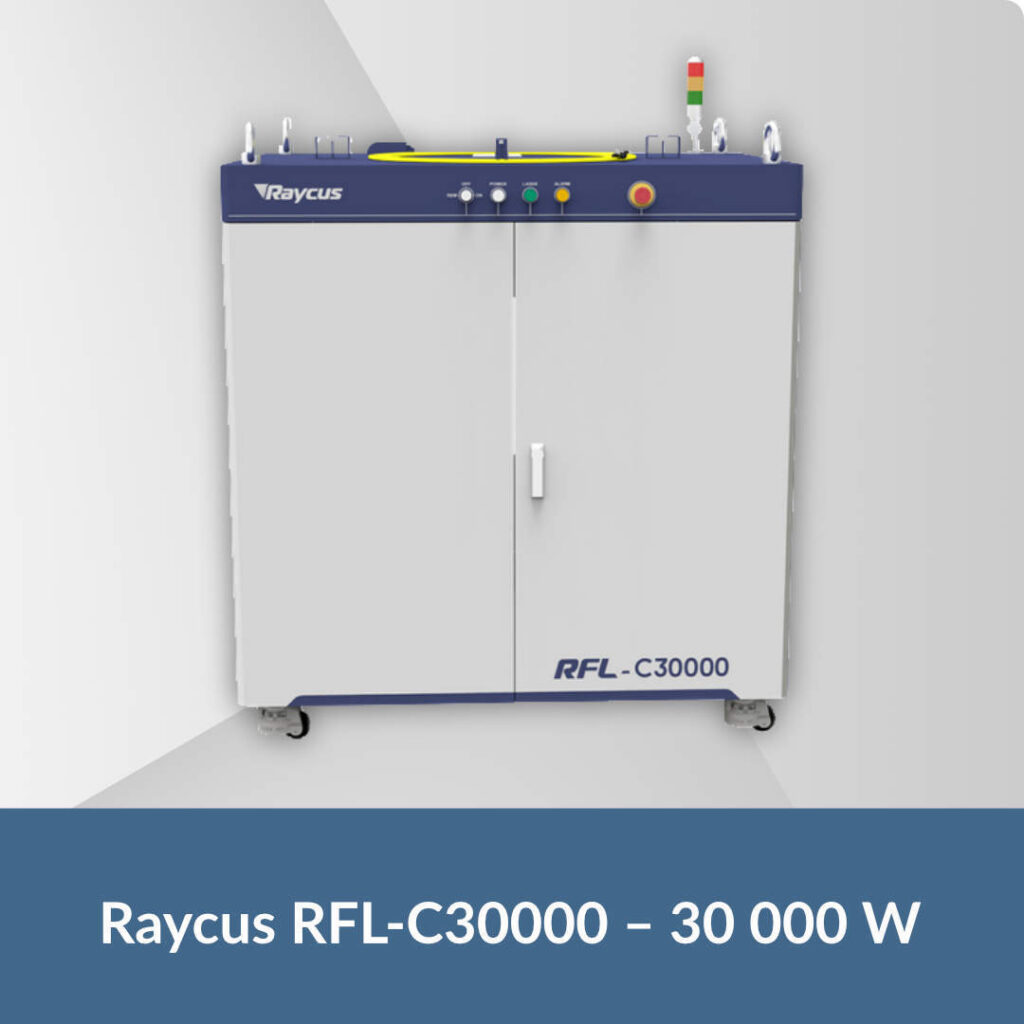
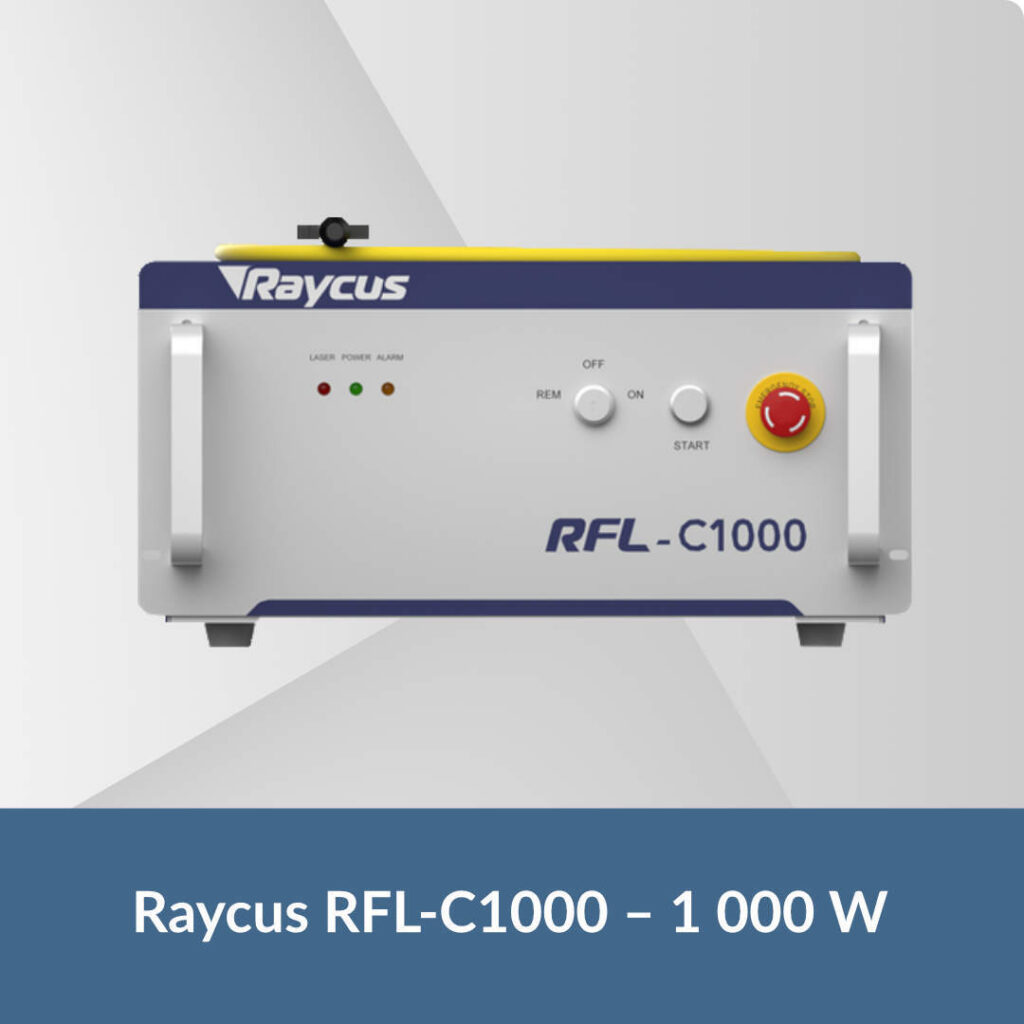
In the previous article, we wrote about the difference between a plasma cutter and a fiber laser. Perhaps you have already decided that a laser cutter is the best solution for you. The first question that probably comes to mind now is the question of what laser power you should choose.
What does your workshop need?
The choice of laser source power should be optimally adjusted to your needs. Think about what your workshop needs most and what its specifics are. Will you be cutting as a service (in which case the thickness of the materials will likely be more varied), or do you need a laser cutter solely for your own production? It is also worth specifying what types of materials are most frequently processed in your workshop.
The general rule regarding the laser source is analogous to the plasma source in a plasma cutter. The thicker the parts you want to cut, the greater the power you need. Of course, it should be kept in mind that higher machine power also means a higher price. Most machines available on the market have a power of 2–6 kW. However, there are also fiber laser cutters with higher power on the market – although the cost of producing them, and thus their price, is often unattainable.
Is high power of a fiber laser cutter profitable?
Choosing a high-power cutter may be unprofitable for many companies. This results from the large price differences between generators of increased power, which is not always accompanied by proportionally higher efficiency. The greatest gain in efficiency relative to price occurs when comparing 1 kW cutters with a 2 kW cutter. Here, we see that the thickness of cut sheets increases by 50%, and in the case of mild steel or brass – even doubles.
Technical specification for 1 kW and 2 kW laser cutters

Table 1 Technical specification
When increasing the power further, the differences in the thickness of cut materials are no longer as spectacular. When comparing a 3 kW fiber laser to a 4 kW cutter, this comparison is significantly weaker.
Technical specification for 3 kW and 4 kW laser cutters

Table 2 Technical specification
What to consider when choosing a laser cutter
As you can see, when choosing a cutter of a particular power, it is worth taking into account not only the expected thickness of the cut sheets, but also the type of material from which they are made. When cutting mild steel, the cutting thickness of sheets, even when using a 2 kW generator, can reach up to 16 mm. In the case of another material, such as brass, the laser’s capabilities will already be much smaller.
It is also worth considering how much productivity interests you, since the power of the laser also affects the cutting speed. With a constant thickness of cut sheets, as the power increases, the machine’s operating speed increases.
The main purpose of the fiber laser cutter
With all this in mind, it is worth remembering that the main purpose of a laser cutter is cutting thin materials. With this awareness, it is easy to notice that choosing a machine with increased power in order to expand the laser’s capabilities above a certain threshold is economically unprofitable. If our goal is to cut sheets with a thickness of 20 mm or more, purchasing a plasma cutter will be a much more advantageous investment. Of course, if we care about greater quality and cutting precision, it is still worth investing in a higher-power laser, though remembering the large financial outlay such an investment requires.